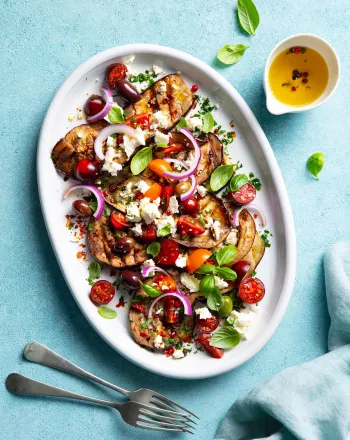

The Greek summer table has always stood out for the simplicity and purity of its flavors. A good olive oil, a squeeze of lemon and a handful of herbs are often all it takes to make a dish unforgettable. Perhaps because these herbs are more than simple seasonings; they are flavors deeply tied to the country’s history and landscape.
Translation | Amaryllis Tsegou
Let’s take a look at five herbs that bring freshness, fragrance and character to summer cooking.
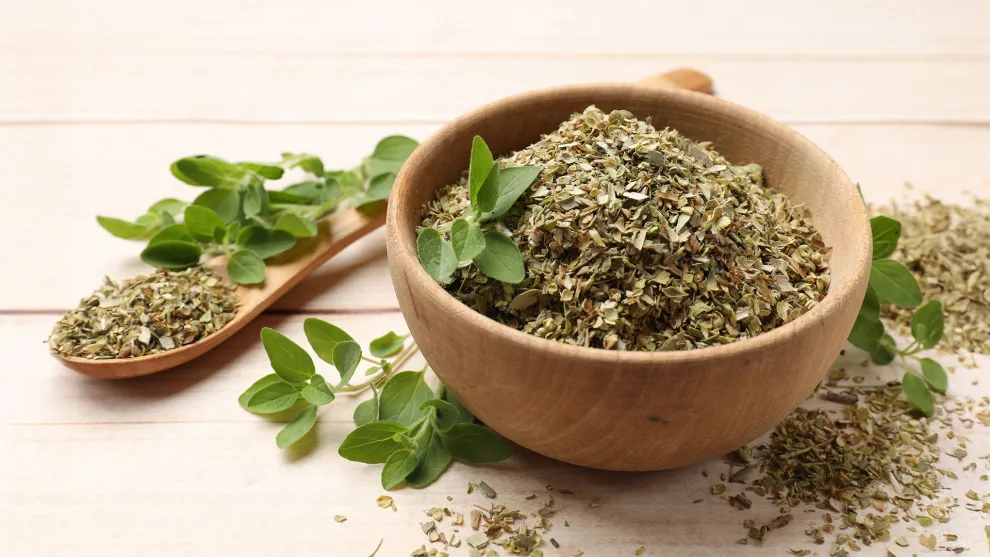
Oregano - the signature of Greek salad
Oregano is Greece’s most iconic herb. Thanks to the country’s climate and soil, Greek oregano is considered the most aromatic in the Mediterranean.
A cornerstone of the Mediterranean diet, and with proven antioxidant, antimicrobial, anti-inflammatory and analgesic properties. These same qualities also make it a natural food preservative. In winter, it is often used to help soothe colds, but in summer its rich aroma truly shines.
Dried oregano is essential to a classic Greek salad, especially when paired with caper buds and rock samphire leaves - a dish bursting with natural flavors and antioxidant-rich ingredients.
It is equally perfect over oven-roasted potatoes, especially alongside feta drizzled with olive oil and sprinkled generously with oregano.
Thyme - the grilled food hero
There is a reason thyme is considered one of the most important medicinal herbs. Its rich bioactive compounds are why it is so often found in cough syrups and soothing lozenges for sore throats. Beyond its therapeutic uses, thyme is also a beautiful aromatic plant commonly found in Greek courtyards, gardens and flower beds.
Fragrant and slightly peppery, thyme pairs wonderfully with anything grilled: chicken, fish, mushrooms and even bread toasted over charcoal. Try adding a few fresh sprigs directly to the roasting pan while cooking. Not only will they flavor the dish, but they will also fill the kitchen with an incredible aroma.
Spearmint - the freshness of summer dishes
Dioscorides, the great pharmacologist and botanist of antiquity, wrote that two or three sprigs of spearmint mixed with sour pomegranate juice could stop hiccups.
Today, spearmint is used mostly in cooking. Fresh leaves are often added raw to potato salads or summer fruit salads - especially those with strawberries. In Greece, it is best known as the herb that gives traditional meatballs their unmistakable flavor, but it also works beautifully in peas cooked with lemon and dill.
Use it finely chopped in a watermelon and feta salad or stirred into chilled bulgur with lemon for a dish that tastes unmistakably of summer.
Rosemary - the Mediterranean friend
Rosemary is native to the dry coastal regions of the Mediterranean. Its botanical name, Rosmarinus, comes from the Latin words ros and marinus - “dew of the sea.”
It has been valued since ancient Greek and Roman times. In Ancient Greece, students were said to wear rosemary garlands during exams to improve memory.
For cooks and gardeners alike, Rosmarinus officinalis is one of the Mediterranean’s most versatile plants.
Because of its strong aroma, it should be used with restraint. It pairs beautifully with game, fish, lamb and veal. It also works wonderfully with summer tomatoes, cheeses served alongside chilled wine, holiday omelets, potatoes and boiled zucchini.
Rosemary is especially delicious with potatoes, chicken or lamb when combined with lemon and garlic.
Lavender - far more delicious than you think
Lavender may be best known for scenting drawers and freshening clothes, but it can also be a surprisingly useful ingredient in the kitchen. A small amount of dried lavender can flavor cookies, pastries or even syrup. For cooking, the preferred variety is Lavandula angustifolia, often called “true lavender.”
Keep in mind that dried lavender buds are about three times stronger than fresh ones, so they should be used sparingly. Lavender works beautifully infused into cakes, creams or butter before being added to recipes. Its floral notes are best balanced with bright flavors such as lemon zest and juice. A syrup made with lavender and honey is especially delicious served over yogurt or fresh summer fruit.