You’ve definitely come across asparagus at a good restaurant when it’s in season (ideally from March to May) and enjoyed it. But the truth is, most of us don’t think to include it in our daily meals - let alone cook it at home. Is there a particular reason? Not really - we’re just not used to it.
Translation | Amaryllis Tsegou
Asparagus is a highly nutritious vegetable that’s easy to cook and surprisingly versatile. It works well in a wide range of dishes and adds that little extra touch that makes all the difference.
What asparagus actually is
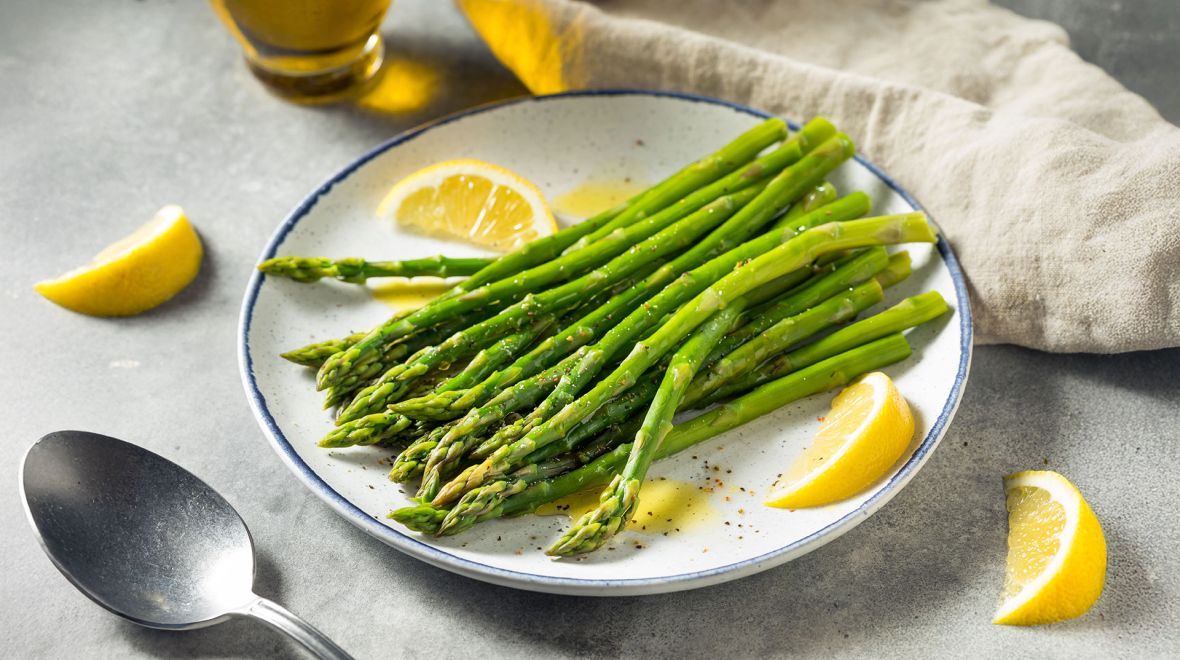
Deep green, long and crisp, asparagus is a perennial plant - meaning it grows back year after year. What we eat are its young, tender shoots, harvested before they open into leaves. Its flavor is delicate, with a slightly sweet note.
You’ll usually find asparagus at farmers’ markets and supermarkets during its season, but nature also offers wild asparagus if you know where to look, though these tend to be thinner and slightly more bitter than the cultivated variety.
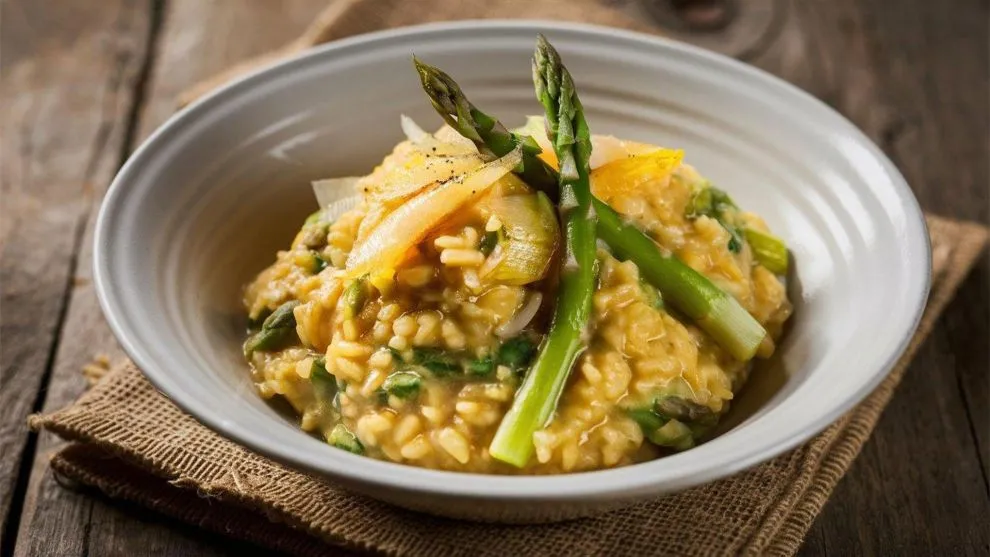
Did you know that asparagus is a natural source of valuable nutrients?
Asparagus has been known since ancient times in Greece, Egypt and Rome, where it was valued not only as food but also for its medicinal properties. It has been cultivated for thousands of years.
In addition to being very low in calories - a major plus - asparagus is packed with nutrients. It contains vitamin K, which supports bone health; vitamin C, which boosts the immune system; and vitamin A, which benefits the skin and vision. It also provides folic acid, dietary fiber, potassium (which helps regulate blood pressure) and antioxidants.
How to use it in the kitchen
Asparagus may seem unfamiliar or tricky to cook with, but in fact it’s actually quite the opposite.
The simplest method is to blanch it: wash the spears, snap off the woody ends and drop them into salted boiling water for just 2–3 minutes. To preserve their bright green colour, you can also transfer them immediately to cold water after boiling.
You can also steam them for 3-5 minutes so they soften while staying pleasantly crisp. They’re delicious sautéed in a pan with a little olive oil or butter, which takes about 4-5 minutes. Or roast them in the oven with olive oil, salt, and pepper for up to 15 minutes.
However you prepare them, asparagus needs very little - just some good extra virgin olive oil, salt, pepper and perhaps a touch of garlic or lemon to shine. As a side dish, it pairs beautifully with both meat and fish and works just as well in pasta dishes.