
And really, who doesn’t love strawberries? Their vibrant red colour, their fragrance and countless sweets we make with them…
Translation | Amaryllis Tsegou
That said, there’s been a lot of discussion lately about how safe the strawberries we buy - for ourselves and our children - really are. It’s a delicate fruit and the main concern is exposure to pesticides.
So, here’s everything you should pay attention to when buying them:
Appearance
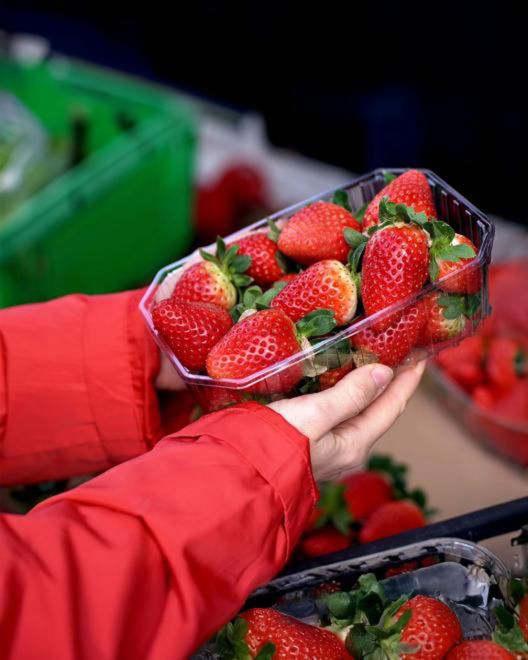
First and foremost, a strawberry’s appearance speaks volumes about its quality and freshness. The ones you choose should have a bright, vivid red colour, evenly distributed across the surface. Green or white patches usually mean the fruit isn’t fully ripe.
The leaves also matter - they should be green and fresh - and the strawberry should have a natural shine.
Texture
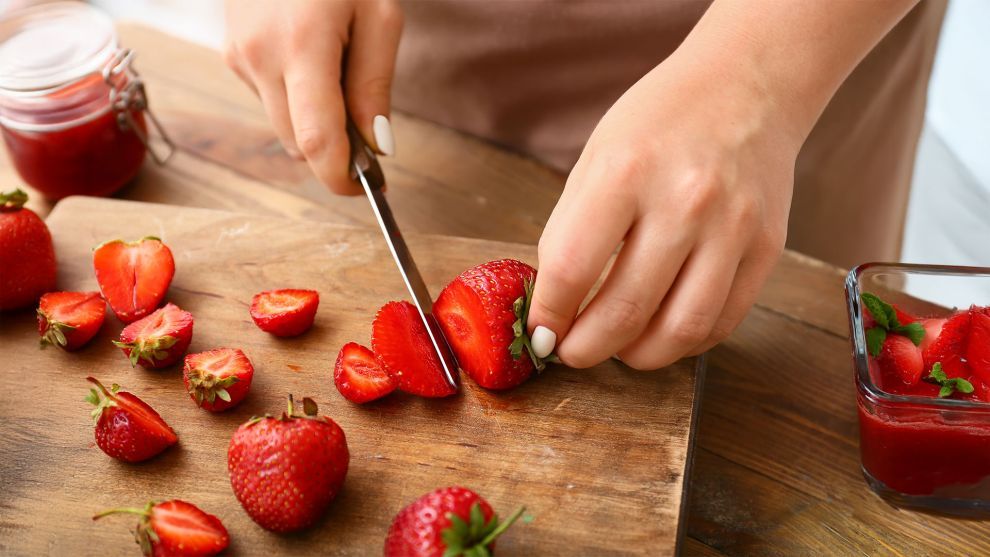
Like most fruits, strawberries should feel firm when gently pressed, which indicates they’re at the right stage of ripeness. If they feel soft, it’s best to avoid them.
Smell
Strawberries rarely smell bad - if they do, something’s clearly wrong. What you’re looking for is a pleasant, fresh aroma. If they have no scent at all, they’re likely lacking in flavor too.
One more tip when buying: since strawberries are usually sold in transparent packaging, take a look at the bottom for any signs of mold. If you spot any, it’s best to leave them.
Also, the packaging should have small holes for ventilation so moisture doesn’t build up and cause the fruit to spoil.
What to watch out for when washing
Washing strawberries properly is important to remove dirt, pesticide residues and microbes - without damaging their texture or flavour.
First, don’t remove the stems before washing. If you do, the strawberries will absorb water and lose both flavour and texture.
Rinse them thoroughly under running water (a colander helps if you have a lot), but avoid rubbing them too hard, as they’re delicate and can bruise easily.
For a deeper clean, you can soak them in a solution of 1 tablespoon of white vinegar or baking soda per 1 litre of water for about 30 minutes, then rinse well.
Drying them properly is just as important so they don’t retain moisture. Use absorbent kitchen paper to pat them dry and let them air dry briefly before storing.
Above all: seasonality
Don’t forget that when it comes to fruit and vegetables, seasonality is key. Strawberries are at their best in spring through early summer. That’s when you’ll find them at their freshest, most flavorful, and with the highest nutritional value.