There are more than 7,000 varieties of apples grown around the world - and probably just as many apple pie recipes. Yet apples can be used in far more ways than most of us realize, both in baking and in savory cooking.
Translation | Amaryllis Tsegou
Although they are considered an autumn and winter fruit, apples are available year-round thanks to their excellent keeping qualities when refrigerated. Beyond being a staple ingredient, apples are also a powerful symbol. Since ancient times, they have appeared in myths, religions, fairy tales, proverbs, scientific discoveries, and even the names of globally successful brands (Apple, Applebee’s, and others).
Doctors famously recommend “an apple a day,” so we often eat them raw - sometimes with the peel, sometimes without - on their own or combined with other fruits in salads, juices, and smoothies. But their culinary potential goes far beyond that.
In general
Apples are used to produce vinegar - most notably apple cider vinegar - as well as alcoholic beverages, the most famous being cider, which has a relatively low alcohol content (1–8%). Another notable example is Calvados, the French apple brandy made by distilling fermented apple juice.
In baking and desserts
- Compote. Apples are gently simmered in a light sugar syrup until soft, creating a simple, wholesome dessert that even doctors often recommend.
- Baked apples. Apples are placed in a baking dish with spices, sweet wine, and a little sugar or honey, then covered and baked until tender and syrupy. They can be served on their own or with yogurt or ice cream.
- Jam. Apples make excellent jam and are often combined with other fruits, vegetables, and spices such as pear, carrot, pumpkin, ginger, or cinnamon. They’re also frequently added to other fruit jams - like persimmon or kiwi - to improve texture thanks to their natural pectin.
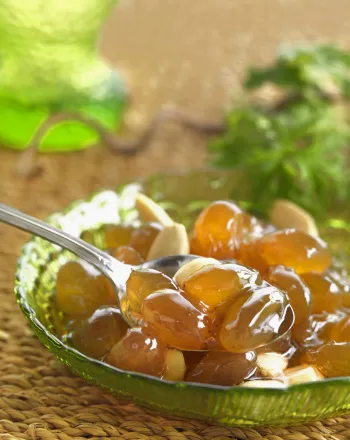
- Spoon sweets. The ideal apple variety for spoon sweets is firiki, a small, aromatic apple traditionally used in Pelion, where it originates. Often enriched with blanched almonds, this preserve is considered a true delicacy.
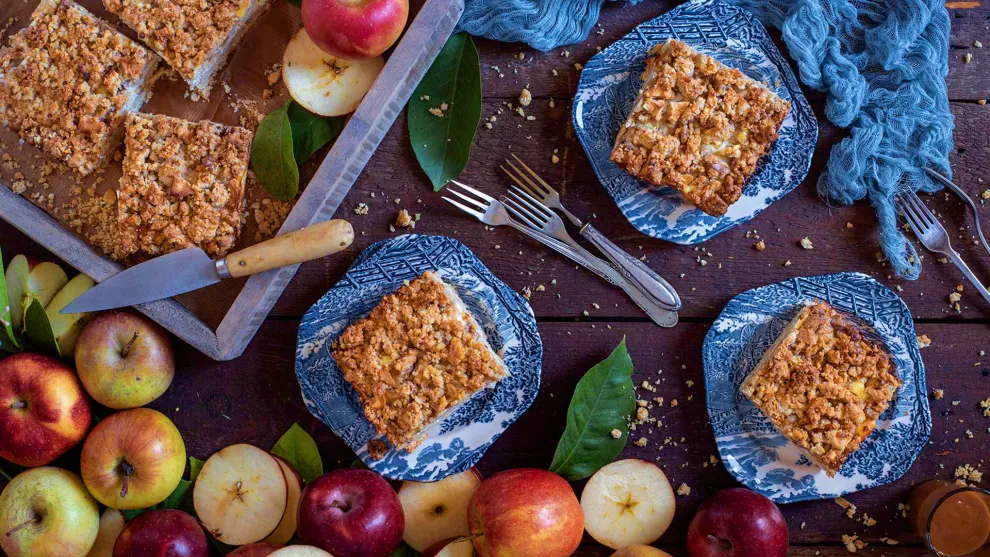
- Apple pie. Few desserts have as many variations as apple pie: covered or uncovered, baked in a pan or individually, folded into parcels, triangles, or squares, made with crisp or soft dough, store-bought or homemade pastry, puff pastry, kourou dough, rolled, twisted, topped with crumble, combined with chocolate or custard, or even baked upside down as a tarte Tatin.
- Tarts, cookies, and galettes. Following the same logic as apple pie, apples are usually sautéed or lightly cooked first and then used as a filling for tarts, cookies, and rustic galettes.
- Strudel. An iconic dessert of Austro-German origin, apple strudel is made from thin pastry filled with diced apples, raisins, and spices, then rolled, baked, and served dusted with powdered sugar and cinnamon.
- Cakes. There are countless cake recipes - made with oil or butter - in which apples are incorporated directly into the batter.
- Doughnuts, fritters, pancakes, and crepes. Apples are sliced or diced, dipped in batter and fried, or grated and mixed directly into the dough before cooking.
- Apple chips. Thinly sliced apples are baked at a low temperature until dry and crisp, creating a healthy, crunchy snack.
In savory cooking
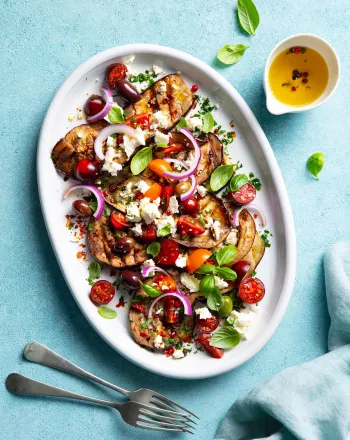
- Salads. Sliced or diced apples add freshness and crunch to green salads, with the classic Waldorf salad - made with apples, walnuts, and Roquefort - being the most famous. Apples also pair beautifully with cabbage-based salads.
- Cheese and cold-cut platters. Thin apple slices don’t just decorate platters; they complement cheeses, cured meats and wine exceptionally well.
- Sauces. Applesauce is a classic accompaniment to roasted or grilled meats. It’s made with apples, apple cider vinegar, brown sugar and spices.
- Chutneys. Sweet-and-sour chutneys made with apples, onions, spices and apple cider vinegar are perfect alongside grilled meats and cold cuts.
- Roasts (pot and oven). Apples cut into large chunks can be lightly sautéed to develop color and then added to pot roasts or oven-baked meats such as chicken, pork, lamb, or beef. Tart apple varieties work best here.
- Poultry stuffing. Lightly sautéed apple cubes add moisture and flavor to turkey or chicken stuffing.
- Soups and purées. Apples - especially tart varieties - are often added to soups and vegetable purées. As they break down, they improve texture and add subtle sweetness.
How to choose and store apples
- Select apples individually, checking that they are free from bruises, cuts or soft spots.
- Store apples unwashed in the refrigerator to extend their freshness.
- Wash apples thoroughly before eating, even if you plan to peel them.
- If you eat them with the skin on, soak them briefly in water with vinegar, scrub gently with a vegetable brush, then rinse and dry well.