
Beyond their delicious flavor, seasonal fruits and vegetables can be powerful allies in protecting heart health and lowering cholesterol.
Translation | Amaryllis Tsegou
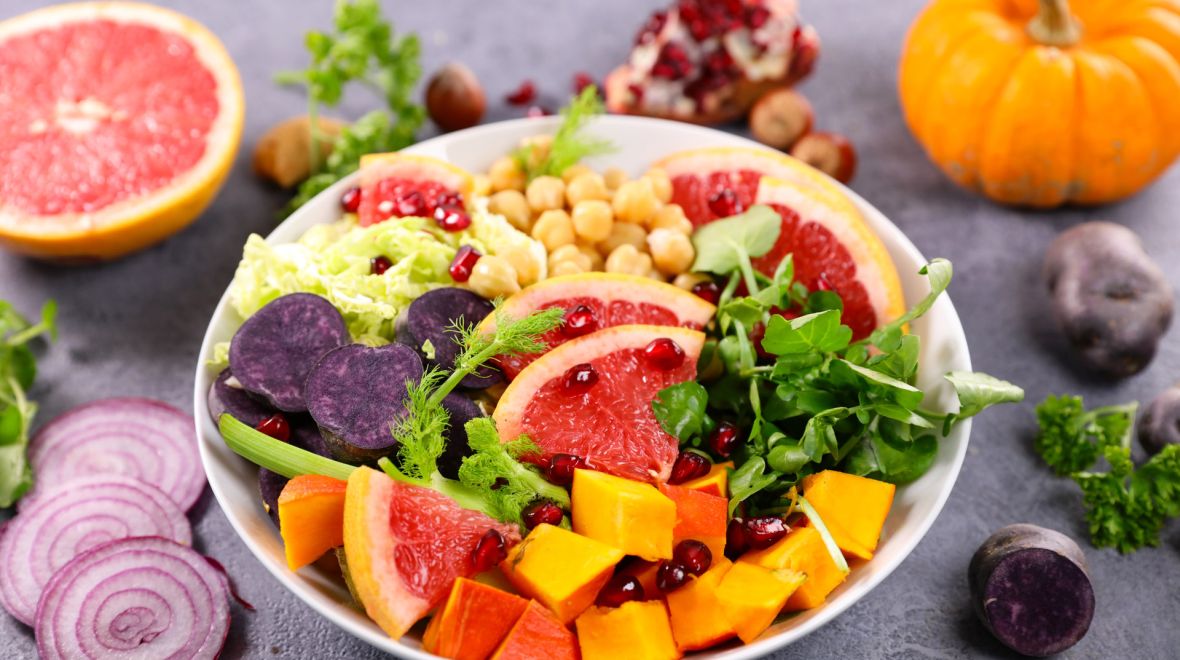
Pumpkins, cabbages, sweet potatoes, apples, pears and pomegranates dominate farmers’ market stalls this time of year. As the season progresses, we also welcome oranges, broccoli, cauliflower, and more.
Each season provides its own fresh produce, packed with essential nutrients. Some of autumn’s standout fruits and vegetables are especially effective in managing cholesterol levels and supporting proper heart function. Let’s take a closer look:
Pumpkin
Like most fruits and vegetables, pumpkin is rich in fiber, which helps reduce “bad” LDL cholesterol by binding to it in the intestines and limiting absorption. In addition, the beta-carotene found in pumpkin has strong antioxidant properties that support heart health.

Apples
“An apple a day keeps the doctor away,” as the saying goes—and there may be some truth to it. Apples are rich in polyphenols, particularly in their peel, which have powerful antioxidant and anti-inflammatory effects. These compounds help protect blood vessels, reduce the risk of atherosclerosis (plaque buildup in the arteries), and support healthy blood vessel function.
Apples also contain flavonoids that help relax blood vessels and lower blood pressure. Their low glycemic index and high pectin content—a type of fiber that binds cholesterol in the intestine and helps eliminate it—further enhance their benefits. Studies suggest that eating one to two apples per day may reduce LDL cholesterol by up to 10%.
Pomegranate
Pomegranates are packed with polyphenols that support cardiovascular health by lowering LDL cholesterol levels. Their strong antioxidant action helps fight inflammation and oxidative stress, protecting blood vessels and overall heart function.
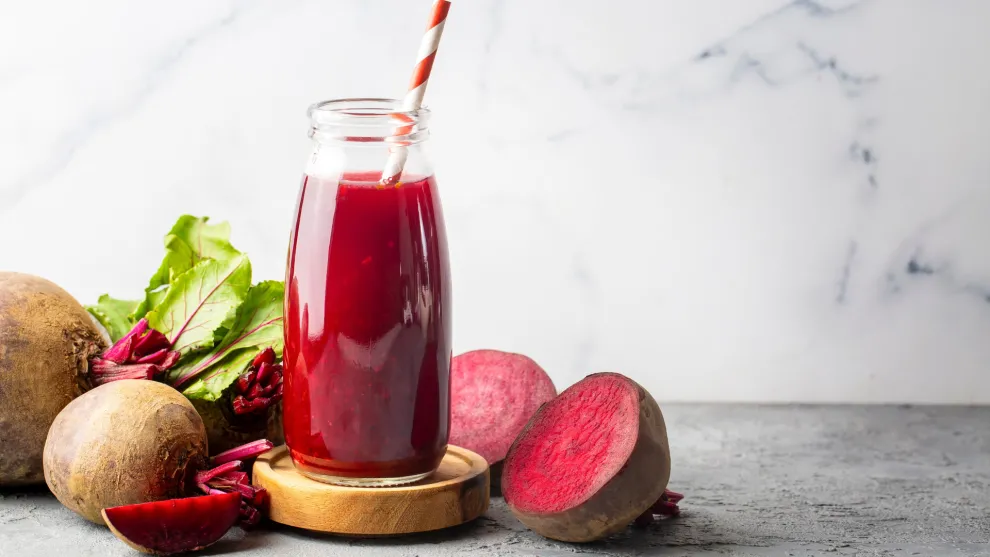
Beetroot
Beetroot is rich in nitrates, which the body converts into nitric oxide—a compound that helps relax and widen blood vessels, lowering both systolic and diastolic blood pressure. Beets also provide fiber that reduces cholesterol absorption, along with antioxidants that protect the cardiovascular system.
Sweet potato
Sweet potatoes are naturally low in fat and rich in potassium, magnesium, and fiber, all of which help regulate blood pressure and improve circulation. They’re also an excellent source of beta-carotene, which is linked to a lower risk of heart attacks and strokes.
Kale
Kale is rightly considered a superfood. It’s rich in fiber, powerful antioxidants, and nitrates that help lower cholesterol levels and support overall heart health.