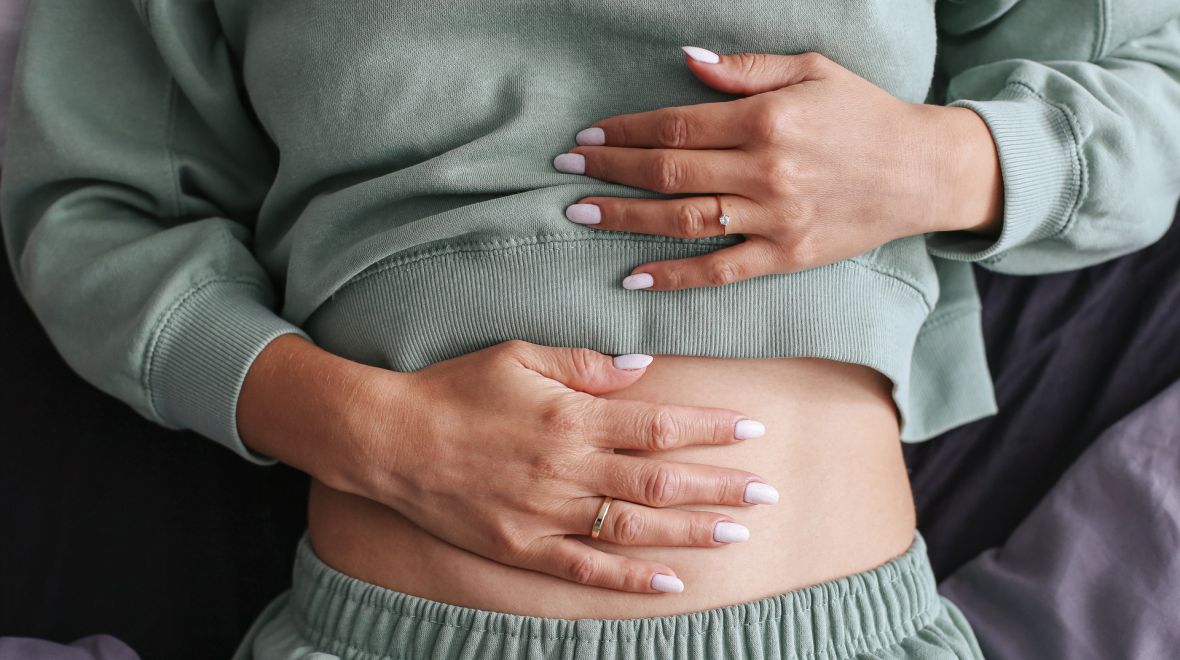


Bloating and the discomfort that comes with it are among the most common everyday complaints and they can occur even when your diet seems perfectly healthy- which is when you may start wondering what you may be doing wrong.
Translation | Amaryllis Tsegou
Many factors influence the digestive system and the feeling of bloating, from diet and stress levels to sleep quality.
The good news is that a few simple lifestyle changes can help your body function more smoothly and leave you feeling more comfortable throughout the day.
Establish a consistent meal schedule
The body thrives on routine and the digestive system is no exception. When meals are eaten at different times each day -or when you go for long periods without eating and then consume large amounts of food- digestion can become strained. Try to stick to a more consistent meal schedule whenever possible.
Avoid eating late at night
The timing of your last meal of the day also plays an important role. Eating a heavy dinner shortly before bedtime can lead to discomfort, a feeling of heaviness and increased bloating, even the day after.
Ideally, allow two to three hours between dinner and going to bed so your body has time to begin the digestive process properly. Think of it like this: when you sleep, most of your body's functions slow down and rest - and digestion is one of them.
Get Enough Sleep
Sleep affects the digestive system far more than most people realise. Poor-quality sleep or merely a few hours of rest can affect hunger hormones, increase stress levels and make the digestive system more sensitive. When you get enough sleep and maintain a regular sleep schedule, your body functions more efficiently and therefore digestion can improve noticeably.
Eat more slowly
It's not only what you eat that matters, but also how you eat. Rushing through meals, eating in front of screens, or talking constantly while eating can lead to swallowing more air, which may increase bloating.
Conversely, eating slowly and mindfully helps your body digest food more effectively and recognize feelings of fullness more easily. So take your time - you gain nothing by eating as though you're running a marathon. In fact, eating a little more slowly offers several benefits.
Get at least 10 minutes of exercise
Regular daily movement is beneficial for the digestive system as well. A sedentary lifestyle can slow intestinal motility, while even a ten-minute walk after a meal may help significantly.
In addition to reducing stress -which can also contribute to bloating- physical activity stimulates the intestines and helps your body feel more comfortable overall. There's no need for extreme workouts; consistency matters more than intensity.
Pay attention to your diet
It's also certainly worth paying attention to certain dietary habits. Carbonated drinks, excessive salt intake, highly processed foods and overconsumption of sugar (or even chewing gum!) can make bloating worse.
Balance, good hydration and paying attention to what works best for your own body are usually the keys to managing bloating successfully.