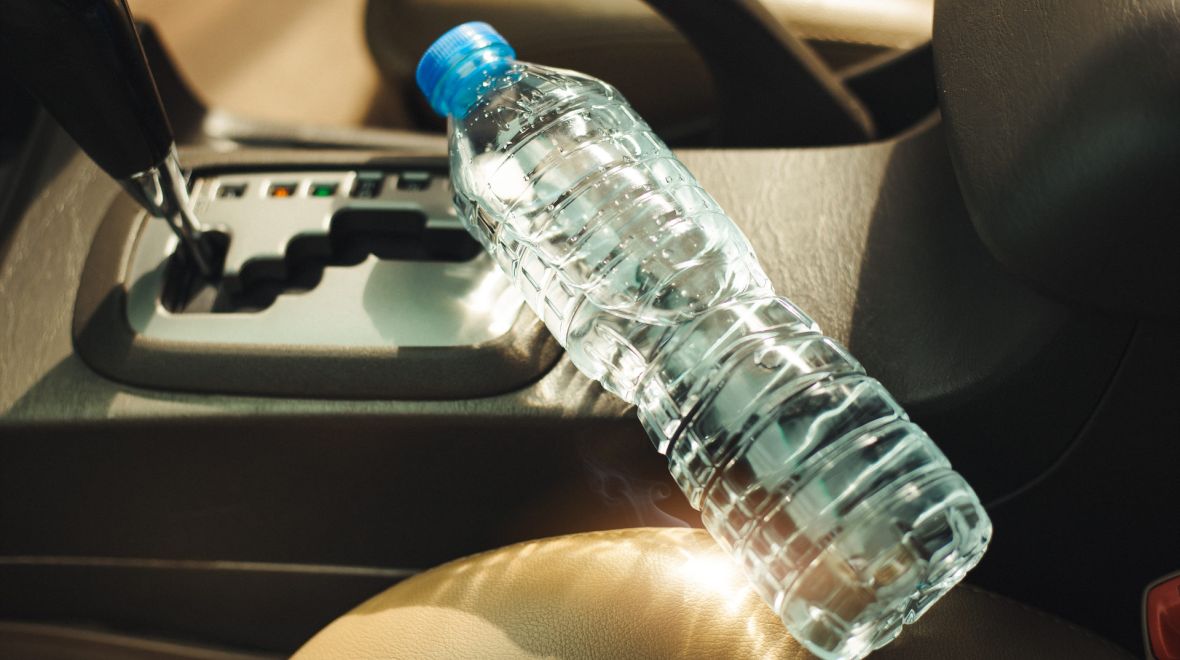



We’ve all heard the warning that we shouldn’t drink from plastic bottles that have been left baking inside a closed vehicle. But what does the science really say - and what alternatives should we consider?
Translation | Amaryllis Tsegou
These days, tiny plastic particles known as microplastics are virtually everywhere: in food, in water, in clothing, in personal care products and throughout the environment. When it comes to plastic water bottles, the risk of microplastic contamination can increase significantly under certain conditions.
Single-use plastic bottles - the kind we buy, use once, and discard - are made from a lightweight plastic called polyethylene terephthalate (PET). Although it appears solid, at a molecular level it’s more like a tangled network. Over time, some of its components and embedded chemicals can slowly migrate into the water, especially when exposed to heat and ultraviolet (UV) light.
Research shows that heat and sunlight can accelerate this process, breaking down the plastic and causing it to release microscopic - even nano-sized - particles into the water. In controlled studies, bottles kept in hot, UV-exposed environments released far more particles than those stored in cool, dark conditions.
What are the health risks?
If you drink from a plastic bottle once after it’s been sitting in a hot car, the health risk is likely low. However, experts recommend caution when such exposure happens repeatedly over time.
Some studies suggest that extremely small plastic particles - particularly nano-plastics smaller than one micron - may be capable of penetrating deep into biological tissues, including the liver, kidneys, lungs, brain, and even breast milk. Therefore, researchers studying microplastics and their potential neurological effects advise minimizing repeated or long-term exposure where possible.
Plastic bottles may also contain additional chemical compounds, including certain phenols, which have been associated with health concerns such as pregnancy complications and neurodevelopmental effects. While the evidence is not yet definitive, it certainly supports a precautionary approach.
So… should you drink that water?
Regulatory bodies such as the U.S. Food and Drug Administration (FDA), along with industry groups, state that current scientific evidence does not conclusively show that bottled water is a major source of microplastic intake.
Experts also point out that dehydration poses a far more immediate health risk than occasional exposure to microplastics - so you should not avoid drinking water when you genuinely need it.
That said, if a bottle has already been opened and left in a warm environment, heat can also encourage microbial growth once the bottle opening has come into contact with your mouth. In that case, drinking from it later may carry additional risks unrelated to plastic particles.
Better alternatives
Even reusable plastic bottles labeled BPA-free - meaning they do not contain bisphenol A - can still release microplastics or other substances when exposed to high temperatures- that’s because they’re made from various types of plastic that can behave similarly when stressed by heat.
For greater peace of mind, many people now opt for glass or stainless steel bottles. These materials do not degrade and leach particles in the same way lower-quality plastics can, and they’re also more environmentally friendly.
If you need to keep plastic bottles in your car for workouts, road trips, or emergencies, try to store them away from direct sunlight and excessive heat. Practical solutions include using a small portable cooler, covering bottles with cloth, placing them under seats, or keeping them in the trunk where temperatures tend to be lower.
The same applies to plastic food containers
Water bottles aren’t the only items that require attention. The same precautions apply to plastic food storage containers. If left for long periods under intense sunlight or heat, they too may release microplastics and chemical substances into food.
Exposure doesn’t come only from water - it can occur through any food or beverage stored in plastic under unfavorable conditions.
What about expiration dates?
The expiration dates printed on packaging are another factor worth noting. For many products - particularly those with a long shelf life - the date may refer not only to the food itself but also to the packaging’s integrity, as over time, packaging materials can begin to break down, potentially releasing microplastics or chemical substances into the contents.