

There's nothing worse than getting ready for the beach, packing everything you need, applying sunscreen, taking your first swim, settling into your sunbed - only to discover that your sandwich has gone soggy - or that you've forgotten your favorite drink, a container, a spoon, or some other essential item for your beach snack (as my grandmother used to call it).
Translation | Amaryllis Tsegou
That's why we're sharing here a few simple preparation and packing tricks that can save the day.
Stop filling coolers with ice
Even if you pack your sandwiches in special bags, moisture always seems to find its way inside. And a soggy sandwich is the last thing you want when you're hungry at the beach.
No matter how much ice you put in a cooler, some of it is bound to melt, especially if you're using ice cubes or bags of ice picked up from a shop on the way.
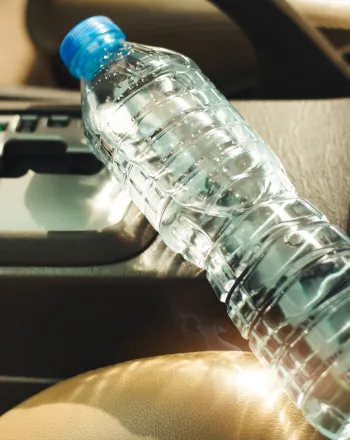
Instead, line the bottom of your cooler with frozen water bottles. They'll keep your food and drinks cold and once the ice inside melts, you'll also have chilled water ready to drink.
If you're using an insulated bag, choose one with separate compartments so foods don't get squashed together.
Proper packaging matters
For vegetables
Though it may seem easier to slice your tomato and lettuce at home and add them to your sandwich, let's be honest-you'll almost certainly end up with wilted vegetables, barely holding together between the other ingredients.
Instead, wash them thoroughly at home, dry them well, wrap them in a slightly damp paper towel and place them in a resealable food bag. This will help keep them fresh and crisp.
For sandwiches and similar snacks
Small food containers or resealable bags are your best options. If using bags, remove as much air as possible before sealing them to reduce moisture buildup, which will keep food fresher for longer.
Also, crackers, bread and similar snacks should never be stored together with moist foods, as they will absorb moisture and become soft or soggy.
For fruit
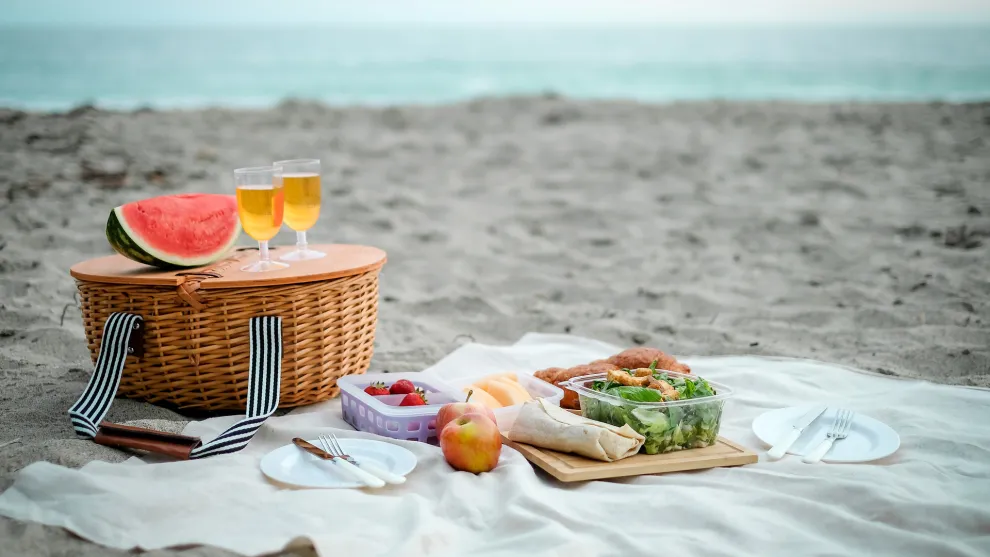
Place fruit in a container with ice underneath to keep it cool. If you've cut them into pieces, drizzle with a little lemon juice to help keep them fresh for longer.
Cheeses and cold cuts
If you're bringing cheese and cold cuts separately to make sandwiches at the beach, a sealed container is the best option. Just make sure they remain in direct contact with the ice packs or chilled section of the cooler.
Pitas and tortillas
Don't take frozen pitas or tortillas expecting them to thaw perfectly at the beach. The result will likely be soggy and disappointing. Instead, pack them when they’re at room temperature and wrap them in parchment paper.
Rusks and crackers
If they're no longer in their original packaging, wrap rusks, crackers and similar snacks in paper napkins before placing them in a food bag. This helps preserve both their flavor
and, most importantly, their crunch.
Let the sun be an ally
If you'd like to warm something up, such as a sandwich or hot dog, prepare it at home, wrap it in aluminium foil, and keep it refrigerated until you leave. Once you're at the beach, place it in direct sunlight while still wrapped in the foil to warm through.
Just remember that perishable foods should never be left unrefrigerated for more than two hours.