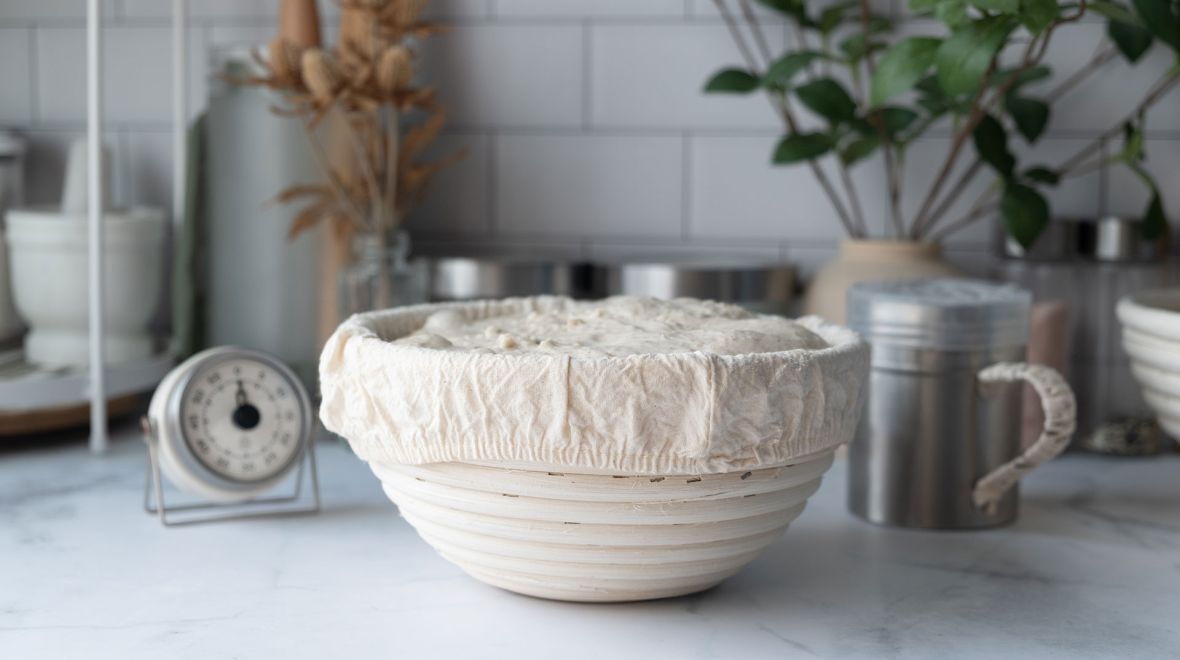


Across Greece, on September 14 - the Feast of the Exaltation of the Holy Cross - people traditionally knead and shape sourdough starter in a ritualistic way after church. But what exactly is natural sourdough? How does it differ from commercial yeast? And how can you make, preserve and use it at home?
Translation | Amaryllis Tsegou
During the quarantine period, confinement and extra free time led many of us to discover new hobbies. We spent more time in the kitchen and experimented with things we hadn’t tried before - sourdough bread being one of them.
Although I had already been working with natural sourdough before the pandemic, that period allowed me to dive deeper into it. I experimented not only with bread, but also with brioche, tsoureki and pizza doughs. Watching dough rise “magically” using nothing more than flour and water and sharing flavorful, wholesome bread with my family, was incredibly rewarding. Of course, there were also plenty of failures - especially in the beginning. Loaves that refused to rise, breads shaped like flying saucers, or flavors far more sour than I wanted. Still, with patience and persistence, I kept experimenting.
That’s how sourdough evolved from a personal challenge into a widespread trend. Today, social media is full of sourdough creations. A simple search for “sourdough” on Instagram reveals endless photos of airy loaves, creative recipes, and step-by-step tutorials inviting you into this fascinating world. Facebook hosts countless sourdough communities as well; in Greece alone, the group “Natural Sourdough” has grown to more than 26,000 members. At the same time, a new generation of bakeries focusing exclusively on slow-fermented, naturally leavened bread has emerged, gradually replacing commercial yeast. But what exactly is natural sourdough - and why has it become so popular?
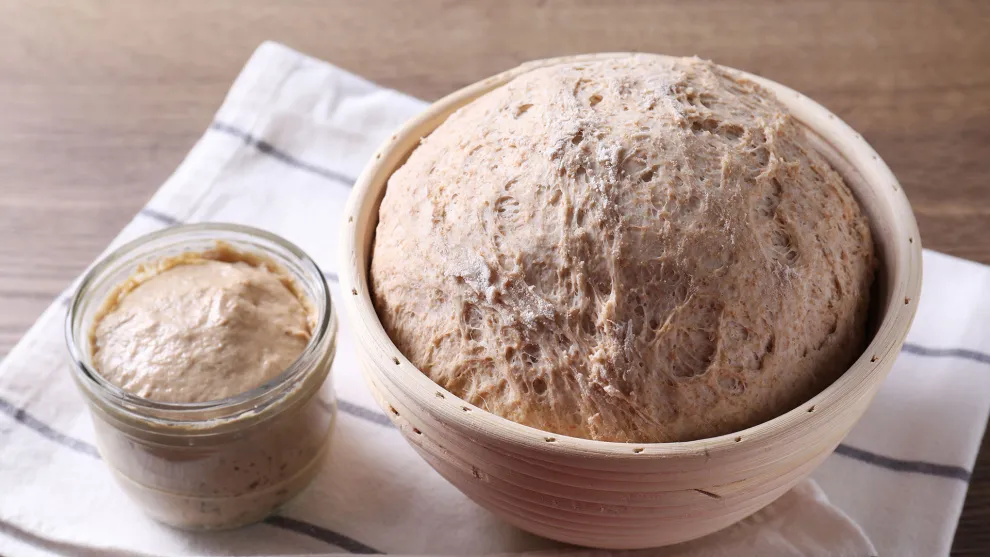
What is natural sourdough?
Natural sourdough is essentially a mixture - usually flour and water - that contains a living culture of microorganisms (yeasts and bacteria) and is used as a natural leavening agent for bread. This culture develops organically, without any chemical additives, through natural fermentation. These microorganisms come from many sources: the flour itself, the surrounding air, the container used, and even our hands. The dominant organisms are wild yeasts and lactic acid bacteria, each contributing unique characteristics to the sourdough. Lactic acid bacteria feed on the sugars released from flour starch and produce lactic and acetic acids - responsible for sourdough’s distinctive flavor and aroma.
Yeasts, much like commercial baker’s yeast, also consume sugars but produce carbon dioxide (which makes the dough rise) and alcohol (which evaporates during baking).
While these processes may sound complex, understanding the basics helps enormously. Once you grasp how flour type, hydration, and ambient temperature affect fermentation, you gain much greater control over the final result - and can adapt each recipe to your taste.
The benefits of sourdough: what does it offer?
You might ask, “Why go through the time-consuming process of sourdough when yeast works so much faster?” The answer lies in the result. Sourdough doesn’t just make dough rise - it transforms bread. It enhances flavor and aroma, extends shelf life, and significantly improves nutritional value.
Flavor development comes from lactic acid bacteria, and by adjusting how often you feed your starter, which flour you use, and how long the dough ferments, you can control the level of sourness. Personally, I prefer bread with a mild tang and a full, rounded flavor rather than intense acidity.
Because of slow fermentation and natural acid production, sourdough bread stays fresh longer and resists staling, unlike yeast-only bread, which often hardens the next day.
From a nutritional standpoint, the benefits are well documented. Natural fermentation lowers the bread’s glycemic index, making blood sugar spikes less likely. Gluten becomes more digestible - particularly helpful for people with sensitive digestion - and beneficial bacteria support gut health. In addition, fermentation reduces phytic acid, improving the body’s ability to absorb minerals such as calcium, iron and magnesium.
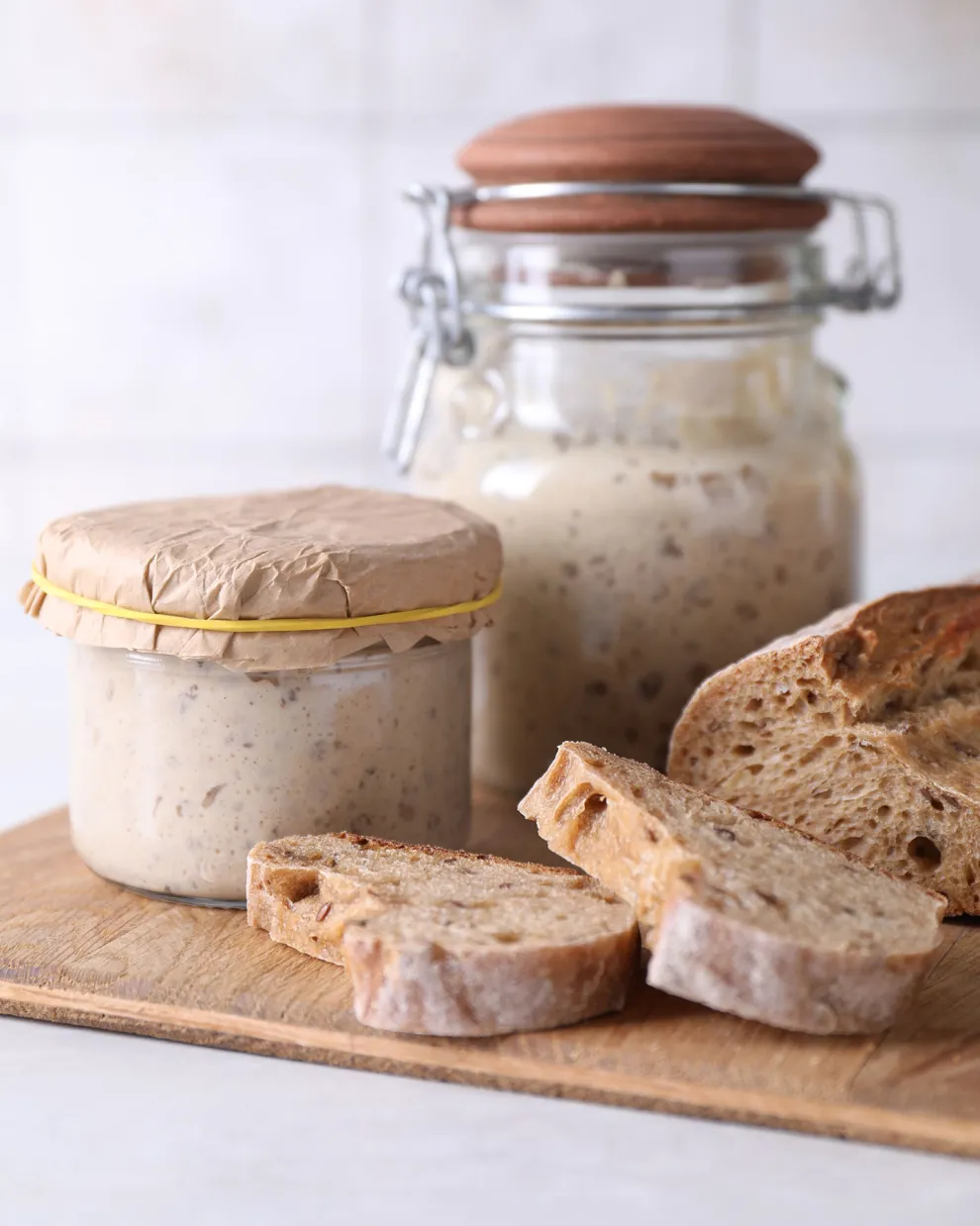
How to make sourdough starter: step by step
There are many ways to create a sourdough starter, but the method below is one of the easiest to manage - especially for beginners. It produces a starter with 100% hydration (equal parts flour and water).
I recommend you use white wheat flour with a high gluten content and no additives, as additives may interfere with fermentation. Stick to the same flour throughout the process. Also note that sourdough doesn’t respond well to chlorinated tap water, so bottled or filtered water is preferable. The ideal temperature for fermentation is 25-28°C (77-82°F).
You will need two glass jars, preferably with lids.
- Day 1 In a clean jar with a lid, mix 20 g flour with 20 g water until smooth. Place the lid loosely on top so air can circulate. Leave the jar on your kitchen counter, away from direct sunlight.
- Day 2 After 24 hours - ideally feeding at the same time each day - add another 20 g flour and 20 g water. Mix well, cover loosely, and set aside.
- Day 3 Repeat the same feeding as Day 2.
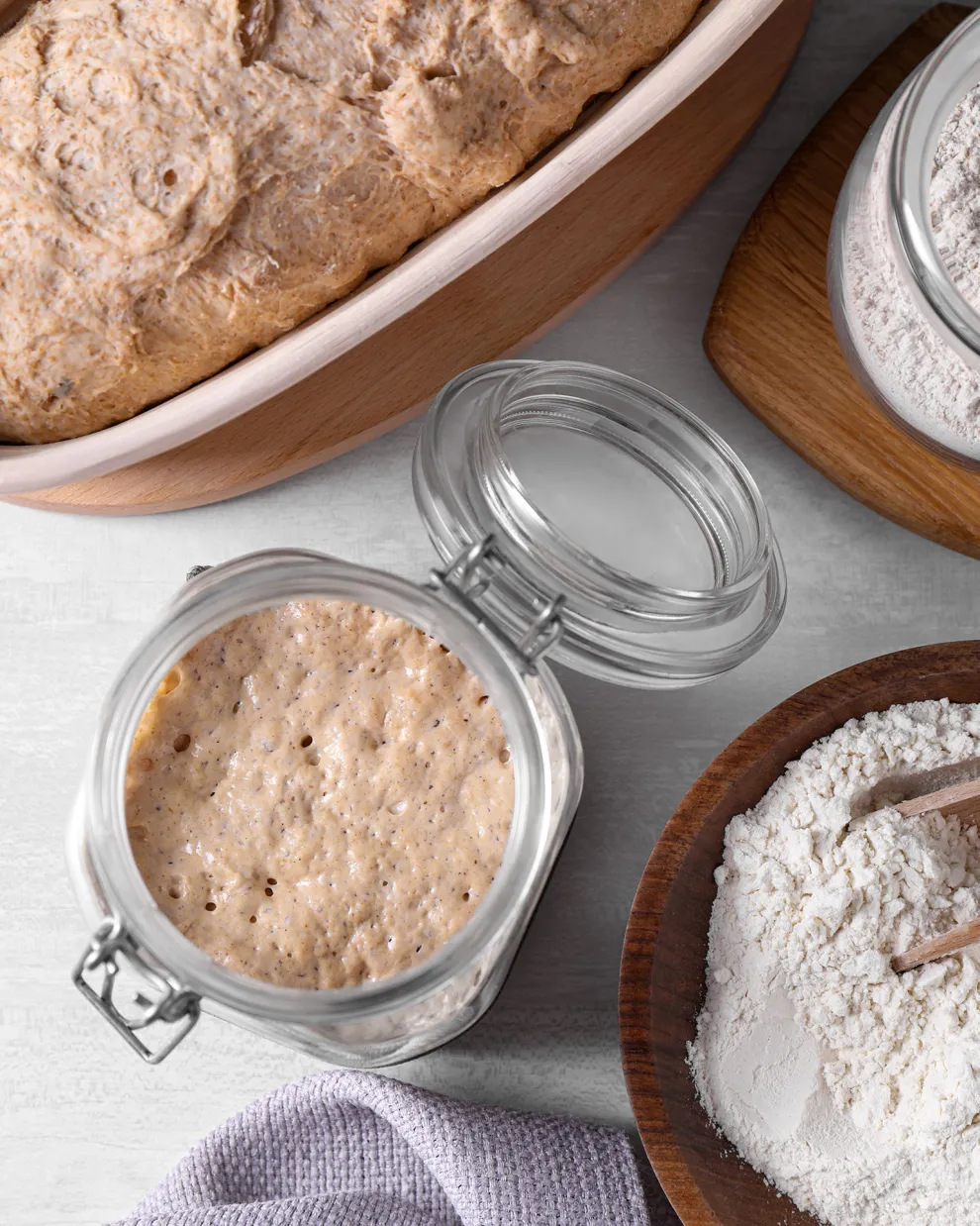
- Day 4 You’ll likely see bubbles and a slight increase in volume - signs that fermentation has begun. The aroma may resemble yogurt or vinegar; this is completely normal. At this stage, take 20 g of the mixture and transfer it to a clean jar. Add 20 g water and 20 g flour (a 1:1:1 ratio). Mix well and discard the remaining starter.
- Day 5 Repeat the same process: keep 20 g starter, add 20 g water and 20 g flour, and discard the rest.
- Days 6–8 Continue feeding daily as on Day 5. From Day 7 onward, a healthy starter should double in volume within 3-4 hours after feeding and show plenty of bubbles. If activity is still weak, don’t worry - keep feeding consistently. Make sure the environment is warm, the water is at room temperature, and the flour is suitable.
From Day 8 onward, your sourdough starter should be ready to use. Keep a small portion for future baking and feed it daily if stored at room temperature. Alternatively, you can refrigerate it and feed it once a week to keep it active. Like all living things, sourdough needs care - but it rewards you generously.
Happy kneading!