Few of us today are familiar with what once took place during the festive fourteen-day cycle of this great celebration, as most of these customs no longer concern those of us living in cities. A remnant and evolution of ancient polytheistic beliefs, Christmas traditions were shaped by an agrarian society that has largely faded in the age of metropolises and technology. The rituals, the sweets, and the savory dishes prepared during these days were all spells of sorts - symbols and invocations for a fruitful year to come, prayers for prosperity and abundance.
In the Peloponnese, the ever-burning fire kept alight throughout the holidays was believed to ward off evil spirits and keep the Virgin Mary warm during the days when icons were taken down and cleaned with cotton soaked in wine. Work during this period was kept to a bare minimum, while fireplaces were decorated with branches.
In Arcadia, food was left at village fountains on New Year’s Day to appease the Fates, with the hope that they would accept the offering and ensure a favorable year ahead. In Corinthia, the teenage daughter of the household welcomed the family home from Christmas Mass with sweets.
At the heart of the celebration here, too, was Christopsomo, which in Arcadia was decorated with pieces of dried fig. An elaborate bread, embroidered with crosses and symbols, it was cut and shared by the head of the household. In many villages, it was shaped like a hand and hung by the family icon stand - a symbol of Christ’s hand, believed to remain miraculously intact throughout the year, until it was replaced by the next one.
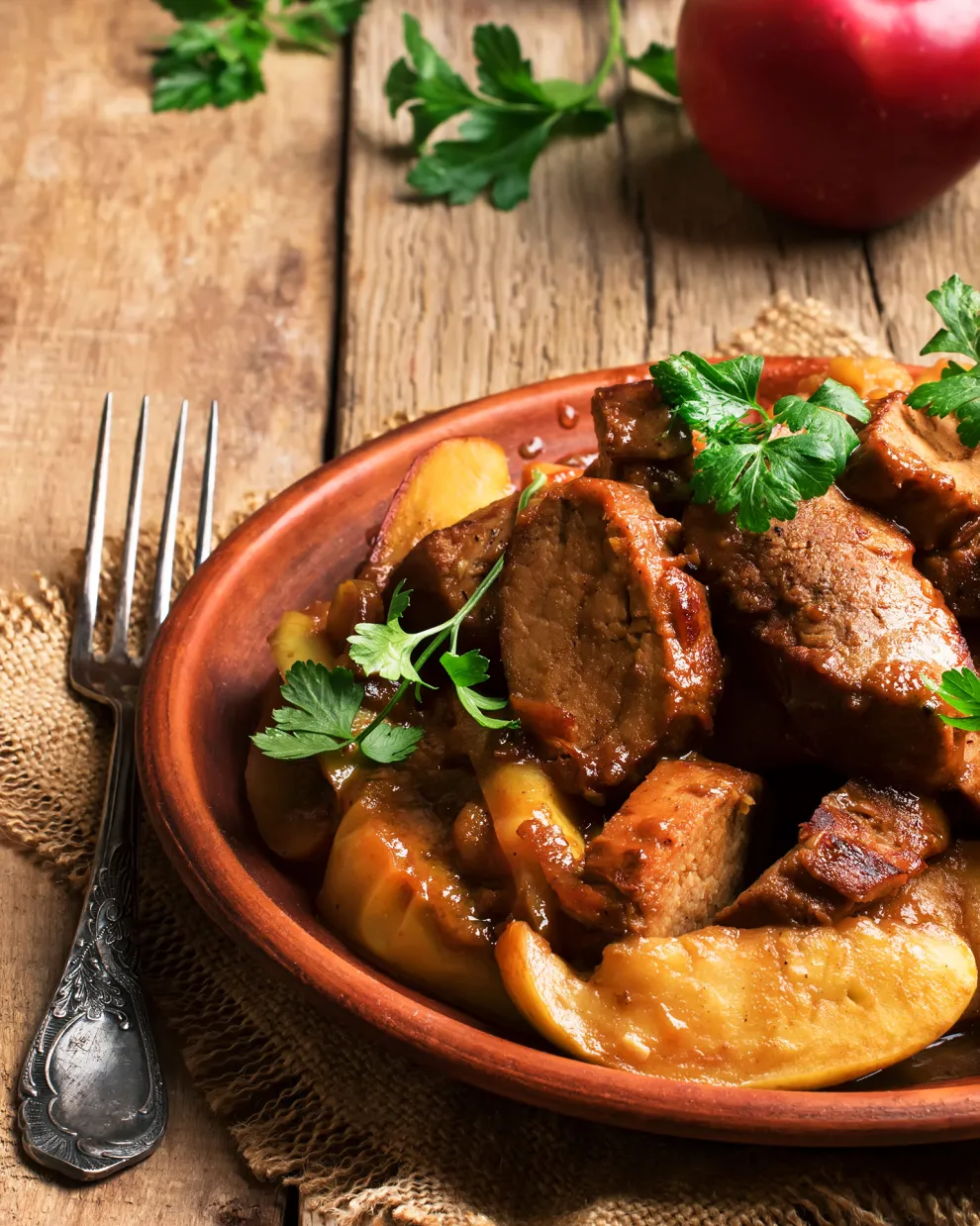
On the festive table, Arcadia prepared pork with apples and quinces, meat pies filled with beef or lamb, as well as cured meats and tsigarides. Laconia favored pork with celery, while Achaia served meat or chicken soup. Oven-roasted pork, sausages, and syglino (cured smoked pork preserved in olive oil) were never absent either - lingering memories of ancient pig-slaughtering rituals.
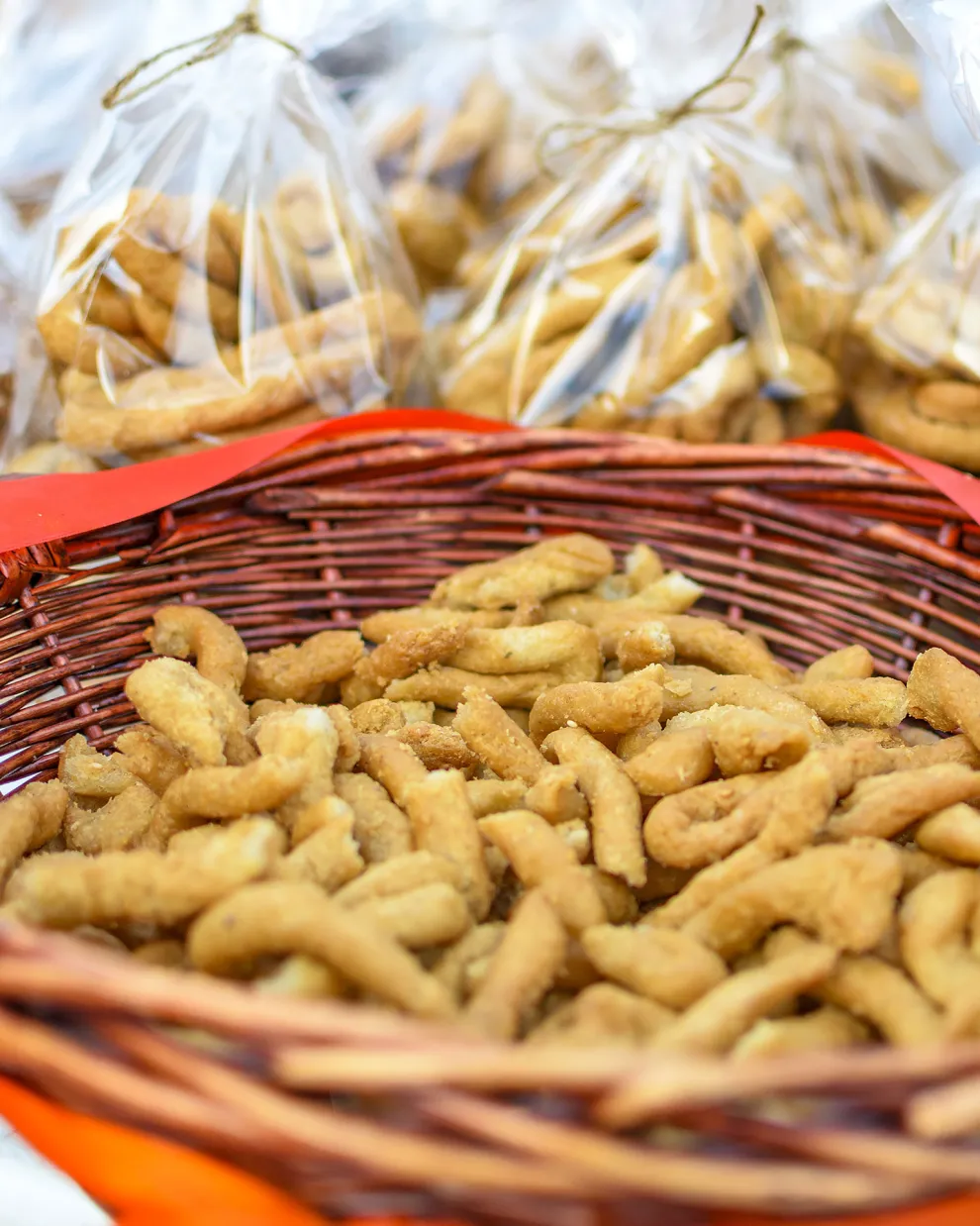
The quintessential festive sweets in Mani and Messinia were lalaggia, diples, and ladokouloura (oil-based cookies), along with olive-oil kourabiedes, koutalides (simple fritters drizzled with honey and cinnamon), and tiganides, served with sugar and cinnamon. The first fritter was always made large and dedicated “to Christ.”. As it hit the hot oil, the traditional wish was spoken: “May all evil be crossed out, and may we be here again next year.”
Epiphany has its own distinct customs in Ermioni, where the boats from which divers retrieve the cross are decorated with palm leaves. On the day itself, men dressed in naval uniforms go from house to house singing “yala-yala”, receiving treats and well-wishes before plunging into the icy waters to retrieve the cross.