Cooking basmati rice may seem simple, but there are a few tricks to make it perfect each time. Here, we unlock them all - from choosing the right rice to rinsing, soaking, toasting, and cooking it properly.
Translation | Amaryllis Tsegou
People often ask how to prepare fluffy, aromatic basmati rice that doesn’t stick together and turns out perfectly steamed. The truth is that every type of rice has its own characteristics and requires a specific approach.
Basmati rice is famous worldwide for its long grains, delicate aroma, and light texture. It cooks quickly, but if overcooked, it loses its structure and becomes mushy - just like any other rice.
Choosing the right rice
Let’s start with the basics: choosing quality rice. Opt for a good brand, preferably from Pakistan or India, regions known for producing excellent basmati. You may also come across “extra-long” basmati, which expands even more in length when cooked - this is my personal favorite.
Don’t skip rinsing
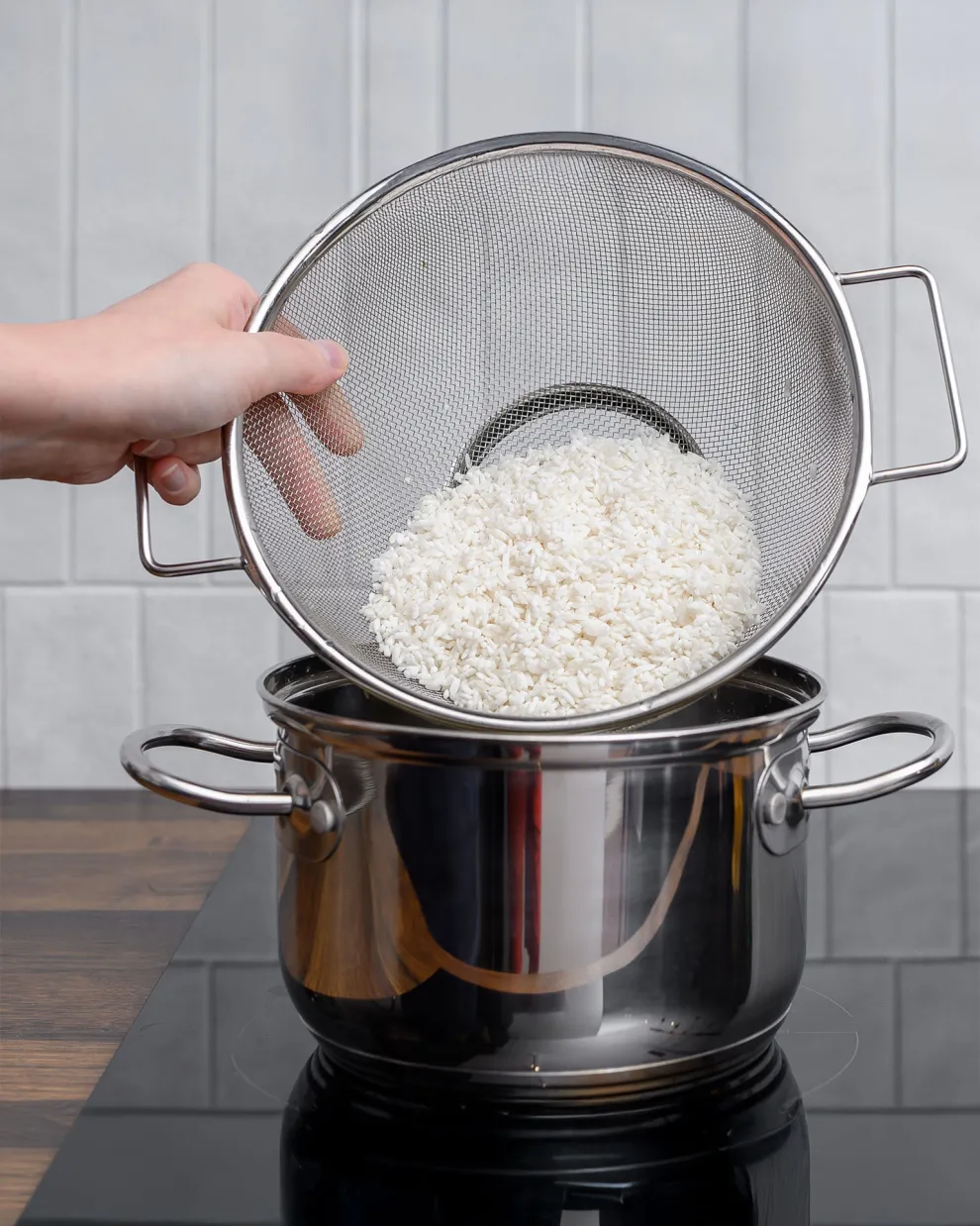
Rinsing rice thoroughly before cooking is essential. First, rice can contain arsenic, either from the soil or from older agricultural practices. Because arsenic tends to accumulate in the outer layers of the grain, white (husked) rice generally contains less than brown, red, or black rice.
Second, rinsing removes excess starch, which helps prevent clumping and ensures a lighter, fluffier result with better texture and appearance. To rinse properly, place the rice in a bowl, cover it with water, gently rub it between your hands, and change the water 3-4 times until it runs almost clear.
The importance of soaking
Soaking takes things a step further. Leave the rice in cold water for 20–30 minutes before cooking. This softens the grains, reduces cooking time and helps achieve a more even, consistent texture.
The secret to toasting
Flavoring the rice at the beginning makes a big difference. Lightly sauté the drained rice in a little oil, ghee, or butter, along with spices of your choice. For a simple result, a bay leaf or a few peppercorns are enough. For more aroma and depth, try cinnamon, allspice, cumin, cardamom, or even a pinch of saffron.
The right way to cook it
Basmati rice doesn’t need much water. The ideal ratio is 1 cup of rice to 1½ cups of water. The goal is to let the rice absorb the liquid and then finish cooking gently in the steam. This method produces separate, fluffy grains with great flavor and texture.
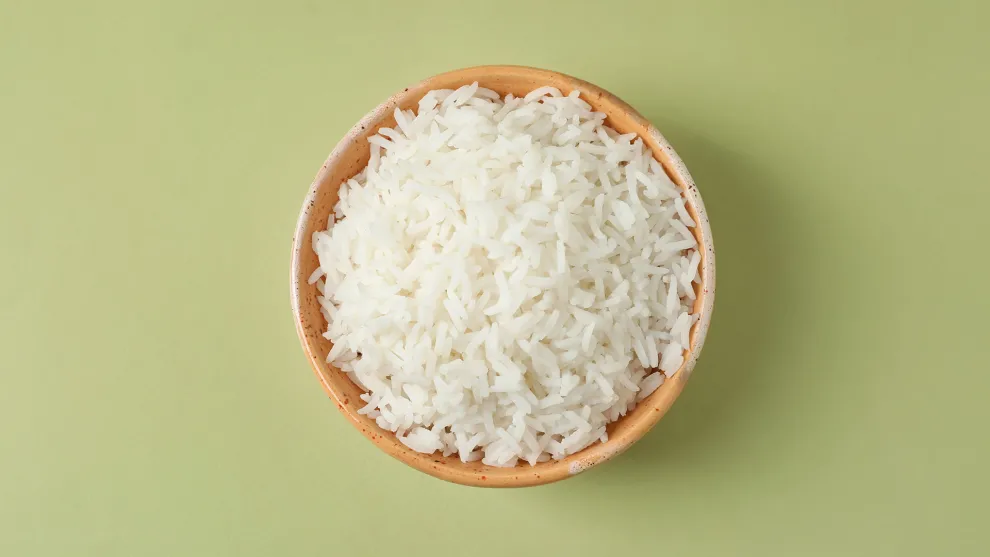
A simple, foolproof basmati rice recipe
Perfect as a side dish for everything from Asian curries to a simple roast.
Ingredients (2-3 servings)
- 1 cup basmati rice
- 1½ cups boiling water
- 1 bay leaf
- 1 tbsp oil (coconut, sunflower, olive, etc.), ghee, or butter
- salt
Directions
- Rinse the rice thoroughly, place it in a bowl, cover with water, and soak for 20 minutes.
- Drain well.
- Heat a medium saucepan over medium-high heat. Add the oil. Once hot, add the rice, bay leaf, and a pinch of salt.
- Stir for a few seconds, then carefully pour in the boiling water. Cover immediately and reduce the heat to very low.
- Simmer for 10 minutes, without lifting the lid, until the liquid is absorbed.
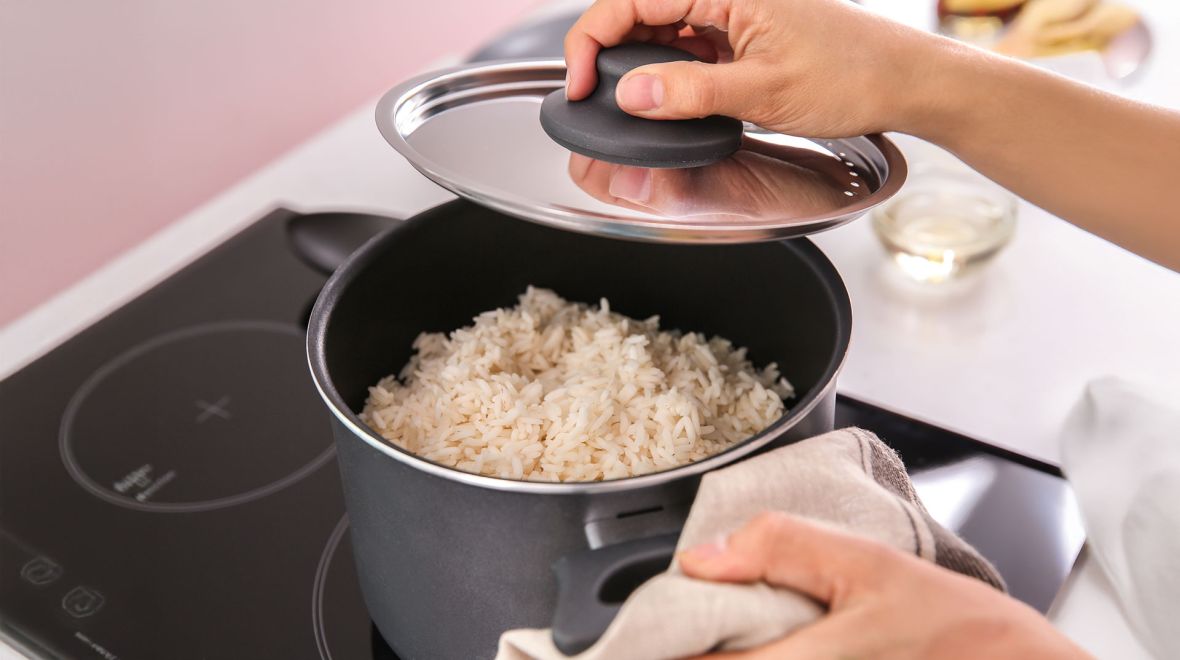
- Turn off the heat and leave the pot on the hot burner. Remove the lid, cover the pot with a clean kitchen towel, place the lid back on, and let the rice rest for 10–15 minutes.
- Fluff gently with a fork before serving.
Tip: Perfect rice depends on several factors: heat control, pot quality, and good-quality rice. Always use a heavy-bottomed pot to prevent sticking or burning.